-
Texas Biomed and SNPRC advancing new approach methodologies (NAMs)
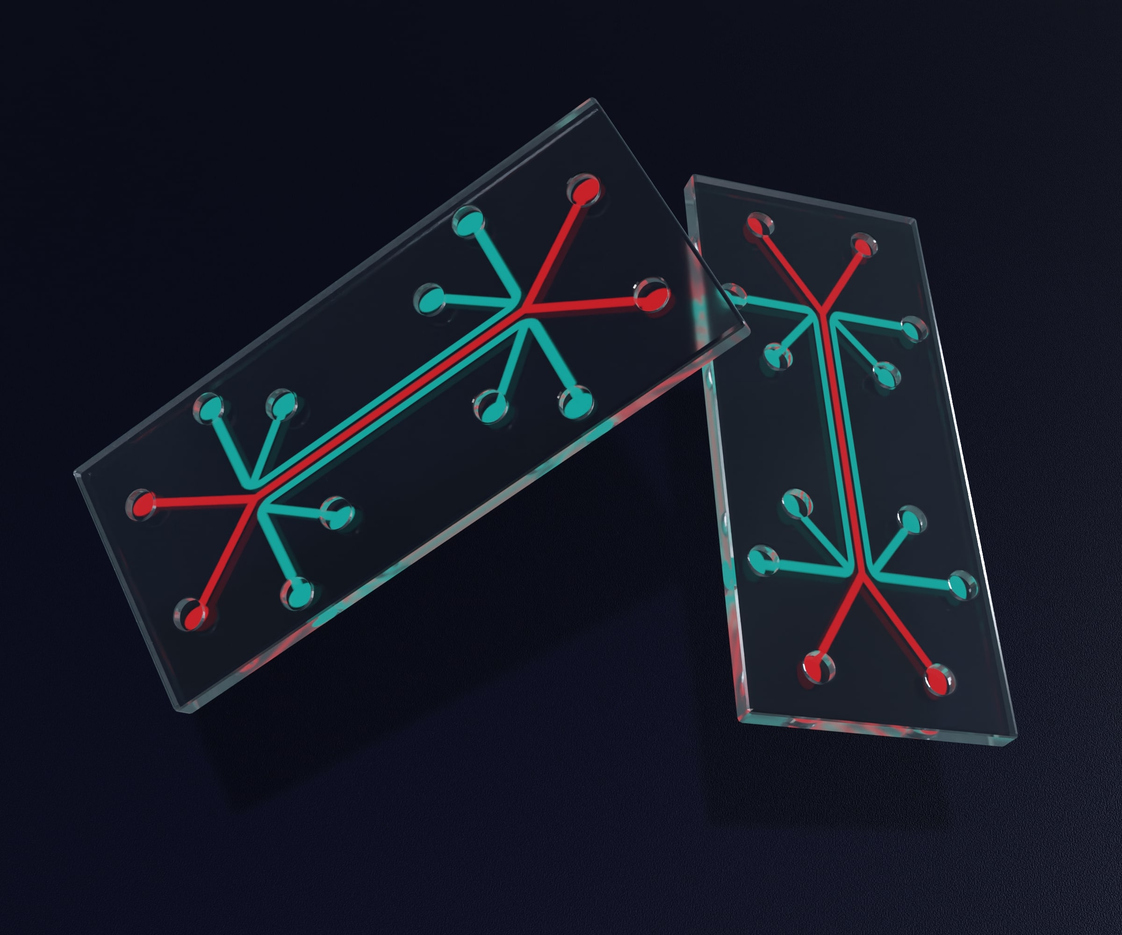
(March 12, 2026) — Texas Biomedical Research Institute is studying and innovating new tools – known as new approach methodologies (NAMs) – that can accelerate discoveries and drug development by complementing required studies to ensure new medicines are safe for people. NAMs are tools, such as AI-based computer modeling, advanced cell culture and complex microphysiological…
-
Meet the marshmallow-loving monkeys that contribute to longevity research
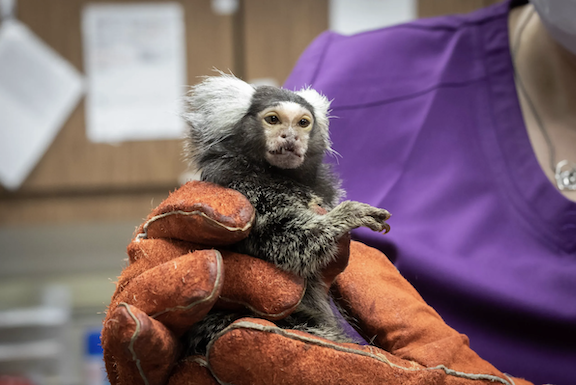
This article was originally published by the San Antonio Report San Antonio is home to one of the nation’s largest colonies of marmosets, squirrel-sized monkeys native to Brazil that love mini marshmallows. Roughly 450 of these miniature monkeys reside at Texas Biomedical Research Institute’s Southwest National Primate Research Center. Scientists at Texas Biomed and from around…
-
Low-dose THC reduces side effects of HIV treatment
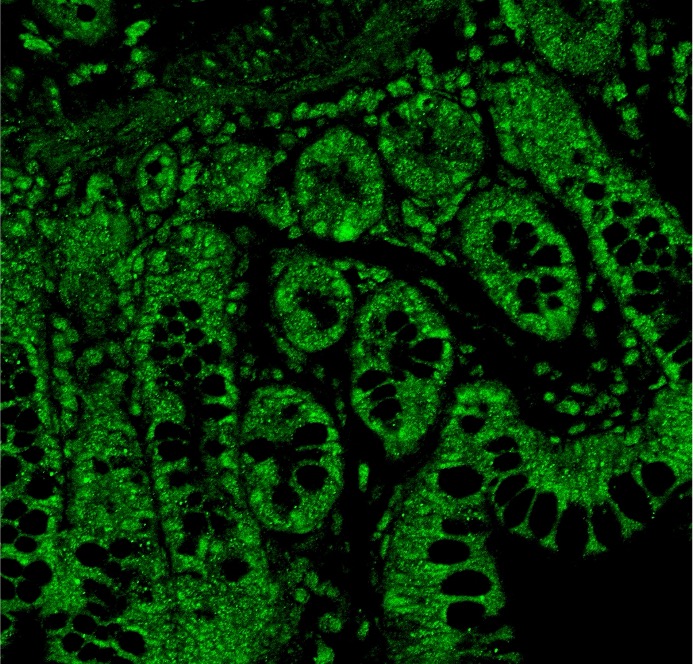
Texas Biomed researchers find promising benefits for gut health, serotonin levels and more. The study, reported in Science Advances, could have broad implications for other diseases linked to gut inflammation. SAN ANTONIO (Nov. 6, 2025) – Long-term, low doses of THC mitigate many harmful side effects and inflammation caused by HIV and antiretroviral therapy (ART),…
-

SNPRC welcomes Eric Vallender as Associate Director of Research
Geneticist Eric Vallender, Ph.D., has dedicated his career to exploring big evolutionary questions, primarily: how are humans and our primate relatives similar and different on the molecular level?
-

“The highlight of my summer”: Inspiring the next generation of innovators
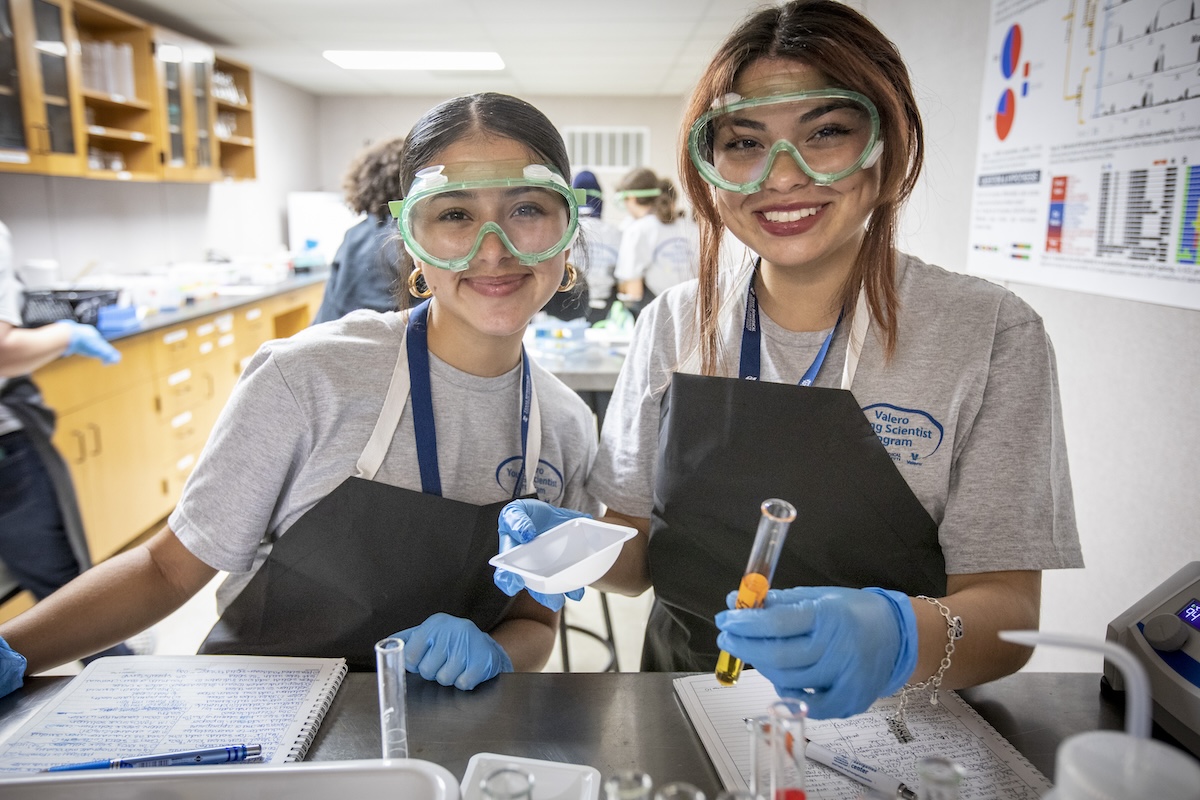
Not every teen’s ideal summer involves sitting at a lab bench conducting experiments, but for the young scientists taking part in the Valero Young Scientist Program at Texas Biomed, it has been a dream come true.
-

Not just a job: Meet the leaders of our animal care and technician teams
Meet six team leaders who together represent 100 years of experience in primate care and management. We asked them to share what drew them to SNPRC, some of the highlights and challenges of working with primates, and what they wish more people understood about their work.