Carol Shively, Ph.D.
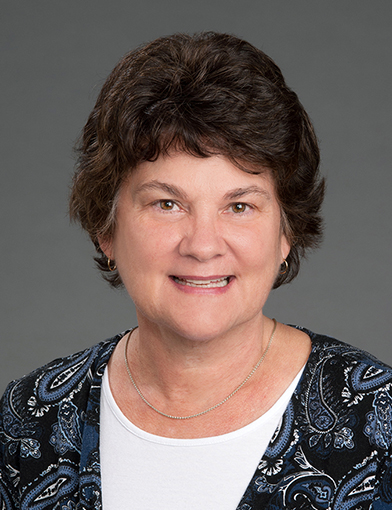
Carol A. Shively, Ph.D., is currently a Professor in the department of Pathology/ Comparative Medicine and holds appointments in the Departments of Psychology, Physiology & Pharmacology, the Translational Science Institute, and the Primate Center at Wake Forest School of Medicine. Dr. Shively received her Ph.D. degree in Psychology from the University of California at Davis in 1983, completed a postdoctoral fellowship at the Wake Forest University School of Medicine, and was appointed to the faculty of Pathology/Comparative Medicine in 1986. Dr. Shively won the National Association for Women’s Health Annual Award for Excellence in Research, and is listed in Who’s Who of American Women, and International Who’s Who. She reviews and consults for NIH, reviews for numerous journals, and has been guest editor for journal special topic editions. She has authored or coauthored over 85 research papers, and taught Animal Behavior, Developmental Psychobiology, Primatology, and Doctor-Patient Relationships. Dr. Shively has devoted her 30 year research career to understanding the biological bases of behavior and its contributions to disease susceptibility primarily through the study of nonhuman primate models. Her research has focused on how social stress increases the risk of coronary heart disease, depression, metabolic syndrome, obesity, and endometrial cancer risk. Dr. Shively was the first to demonstrate that stress causes the deposition of fat in the viscera in primates, and also the first to develop an adult primate model of depression. Her current research includes studies of: the relationship between social status, social stress, and depression; social stress and visceral obesity; depression and CHD risk; the effects of dietary patterns on physiological stress responses and depression; 5) neurobiological characteristics of depression; 6) maternal social subordination stress and offspring health; and 7) functional assessments of aging in monkeys.